Learn About Each Section Of Our Vineyard
Use our interactive map to learn about the grapes we have planted in each our our fields, along with fun facts and tasting tips.
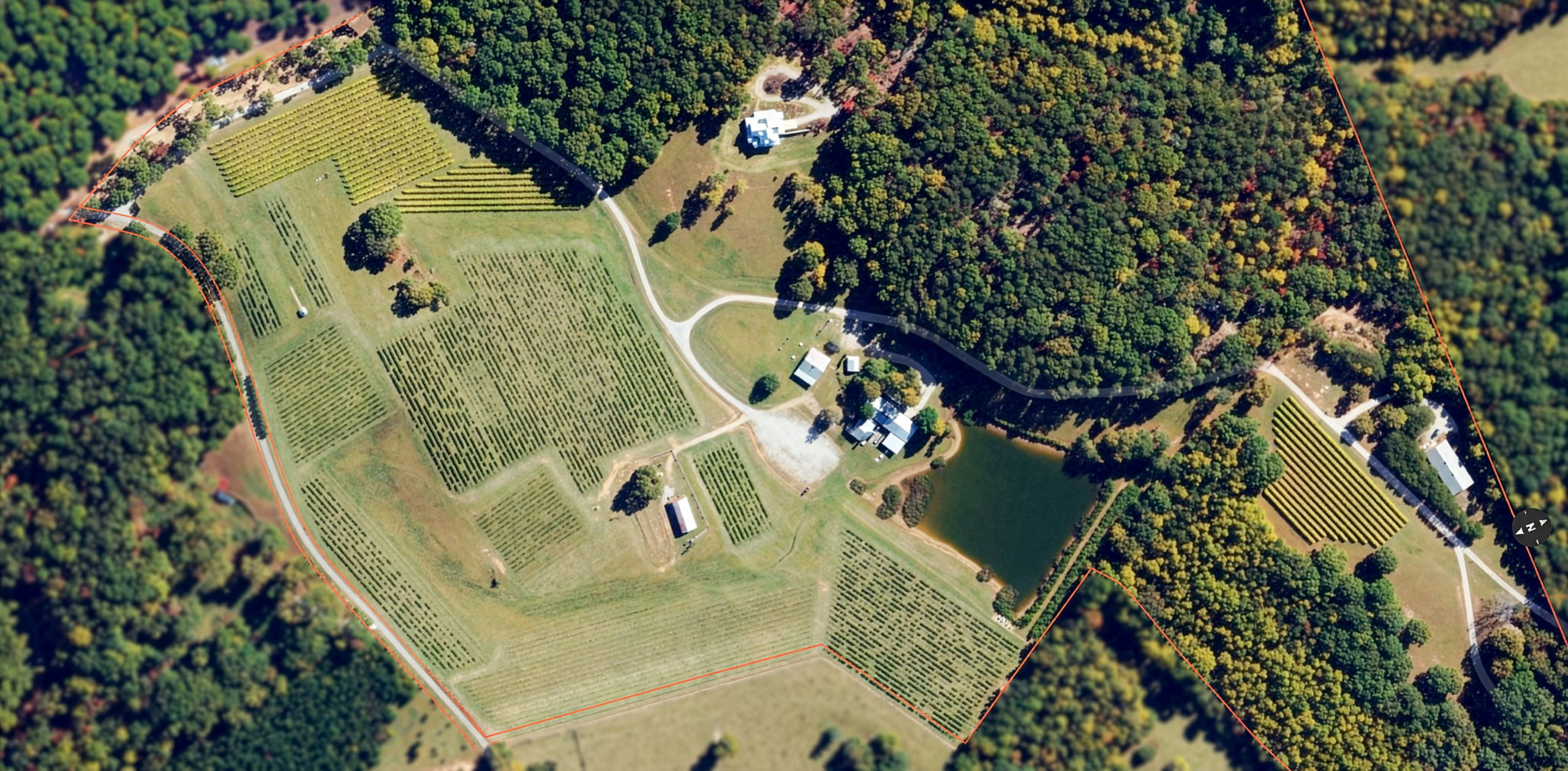
Whats In Field "A"
Varietal: Cynthiana
Cynthiana is one of America’s oldest native grapes, known for its deep color and bold structure. This is our thrid planthing of Cynthiana.
What to look for: Dark fruit like cherry and fig, with a warm spices, slightly earthy finish.
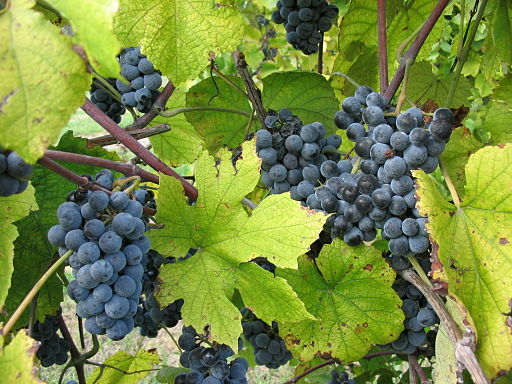
The Big Franc "B" Field
Varietal: Cabernet Franc
A classic Bordeaux varietal that thrives in our climate, producing elegant and expressive wines.
What to look for: Bright red fruit, subtle herbal notes, and a smooth, spicy finish.
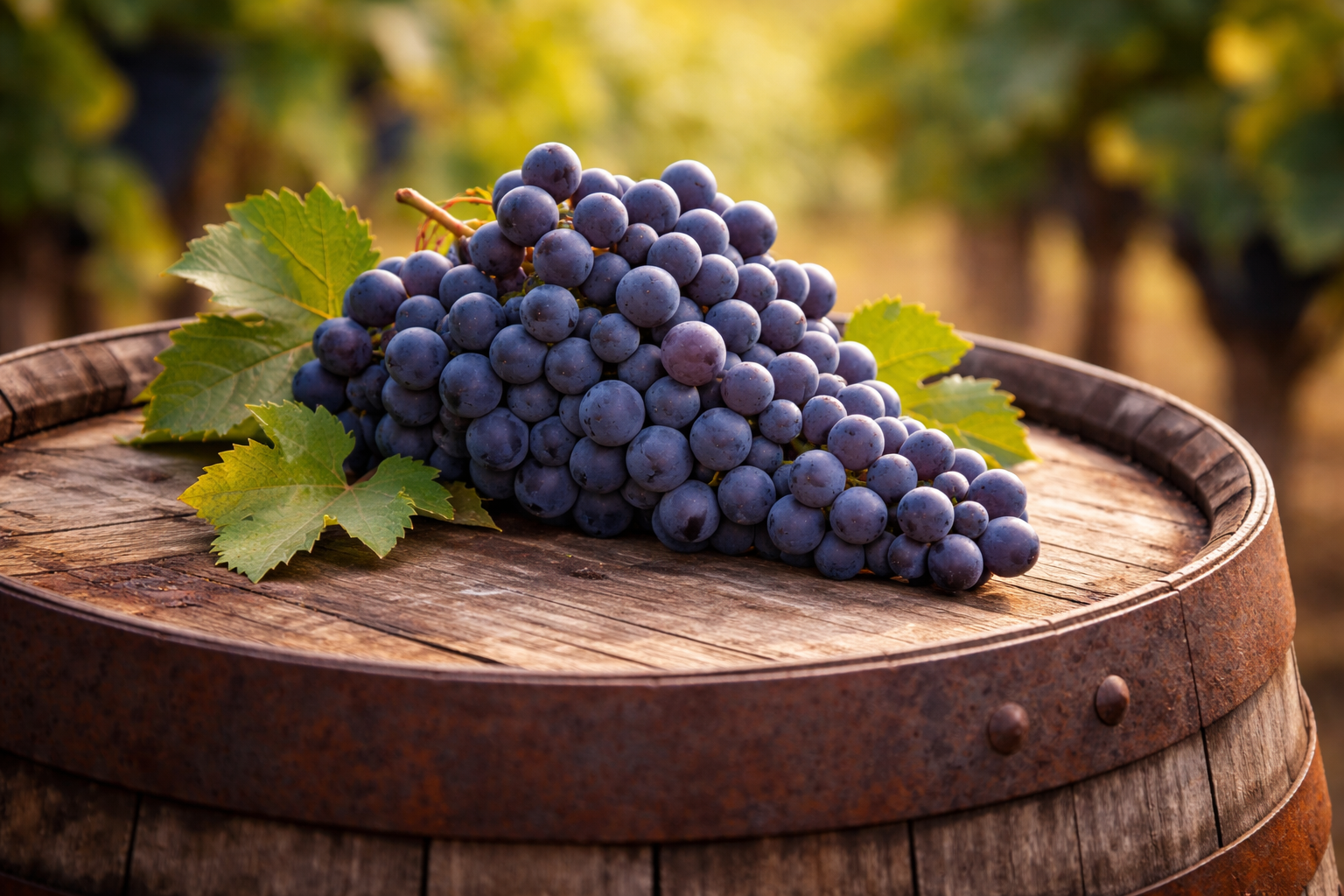
Front & Center "C" Field
Varietal: Vidal Blanc
A versatile white grape often used for both dry and sweeter styles.
What to look for: Crisp acidity with flavors of citrus, green apple, and a hint of honey.
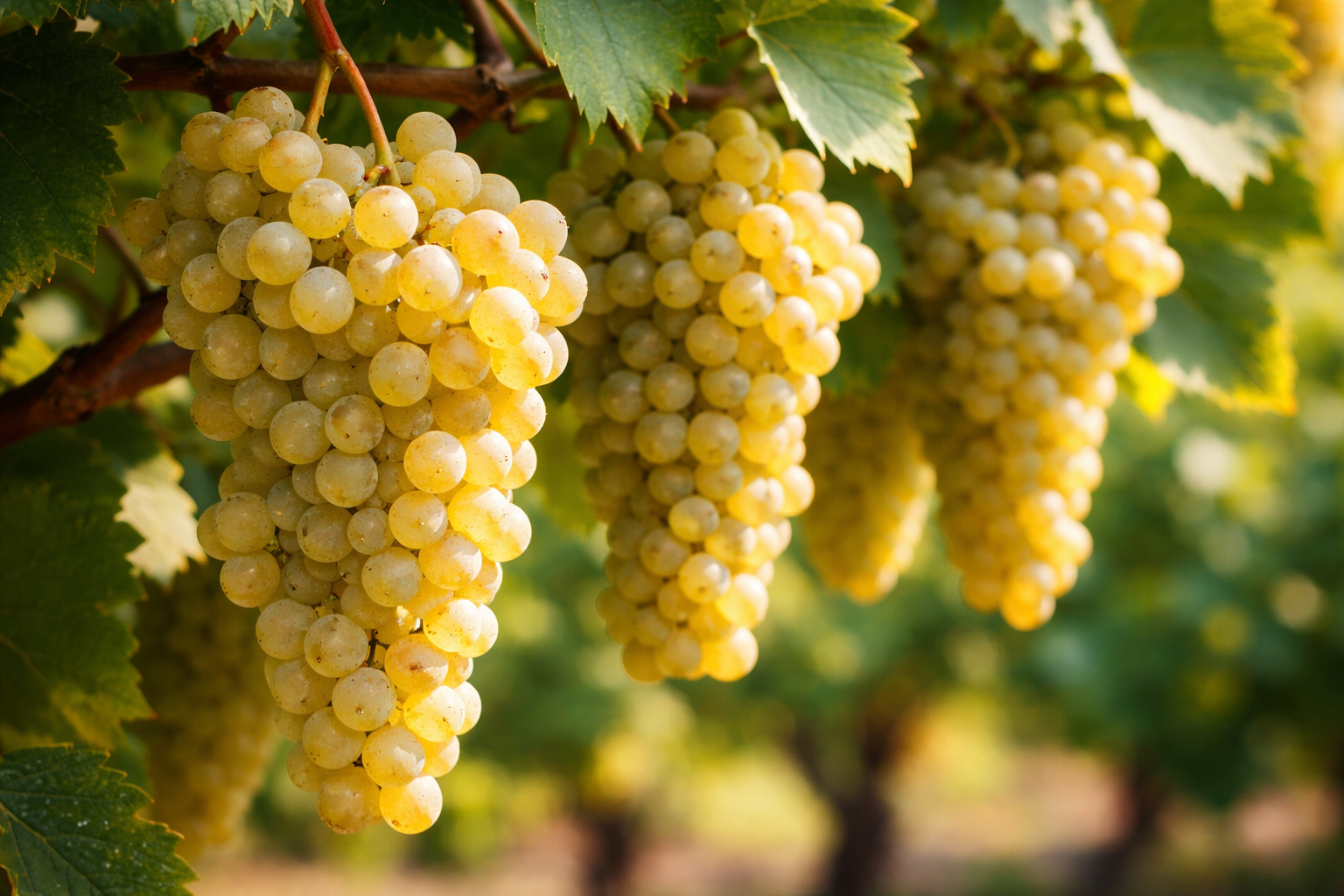
Anticipation "D" Field
Varietal: Aravelle, Catawba, Ambulo Blanc, Caminante Blanc, Camminare Noir, Pesante Noir.
This block showcases a mix of latest and more unique varietals that contribute to specialty and blended wines.
What to look for: Only time will tell what new dimensions these new grapes will bring to our wines.
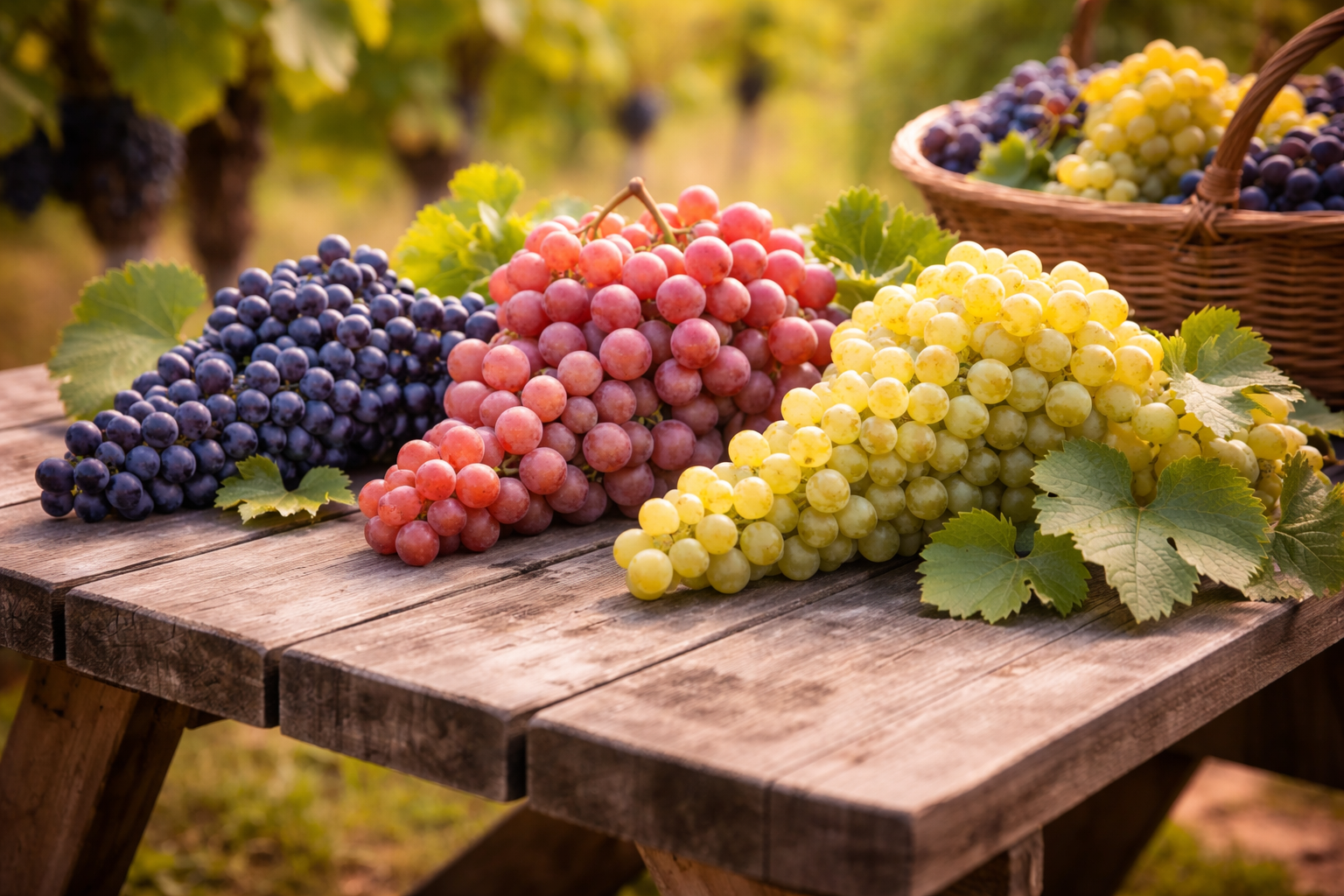
Just A little Cab "E" Field
Varietal: Cabernet Franc
A slightly different expression of Cabernet Franc, influenced by this block’s unique conditions.
What to look for: Bright red fruit, subtle herbal notes, and a smooth, spicy finish.
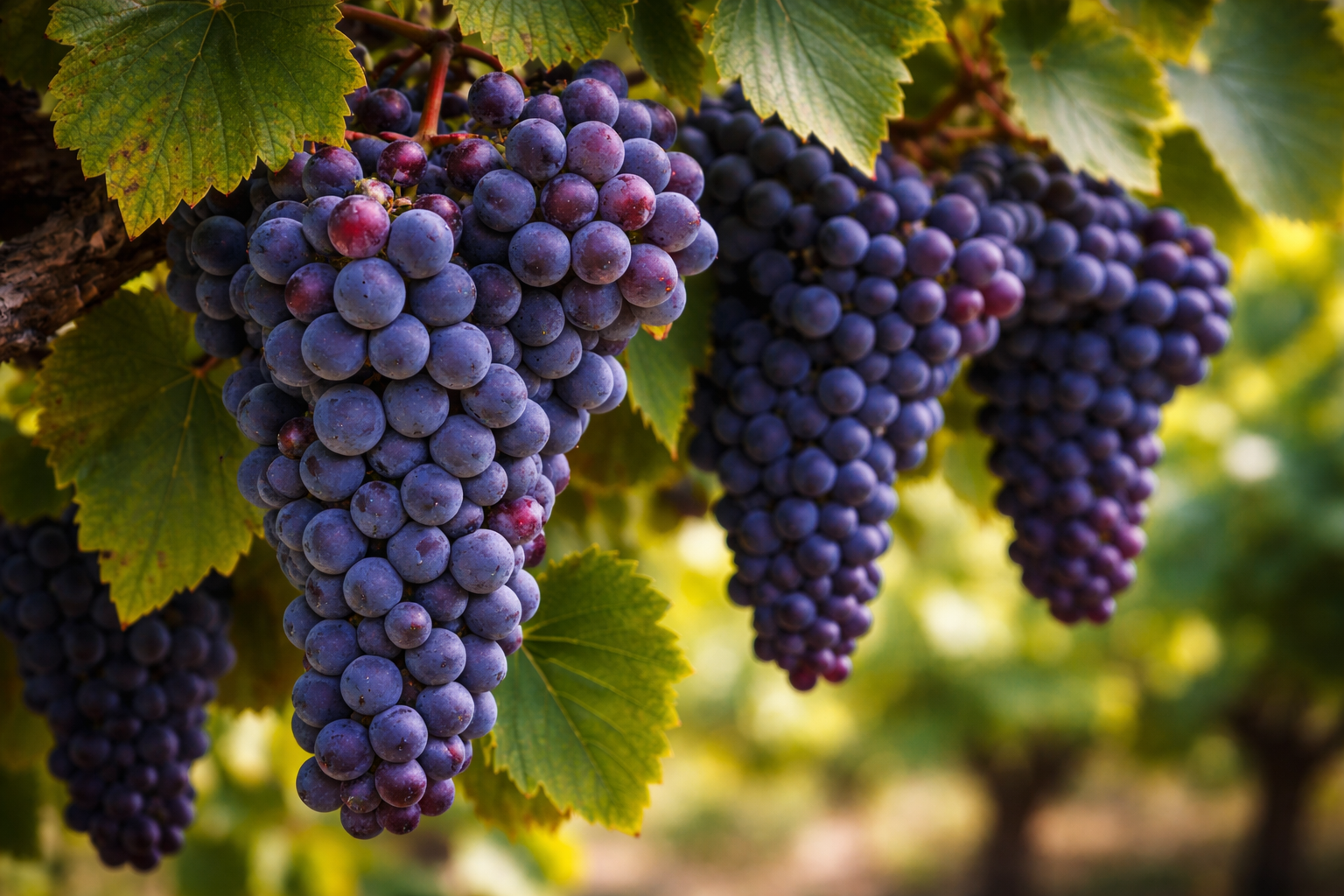
The Fabulous "F" Field
Varietal: Chardonnay
One of the world’s most recognized grapes. We use these grapes to make ourunoaked expression of Chardonnay.
Clone Info: Chardonnay #5
This clone produces tropical flavors, and citrus fruits. This is one of the few grapes where the wine reflects the true flavors of the grape.
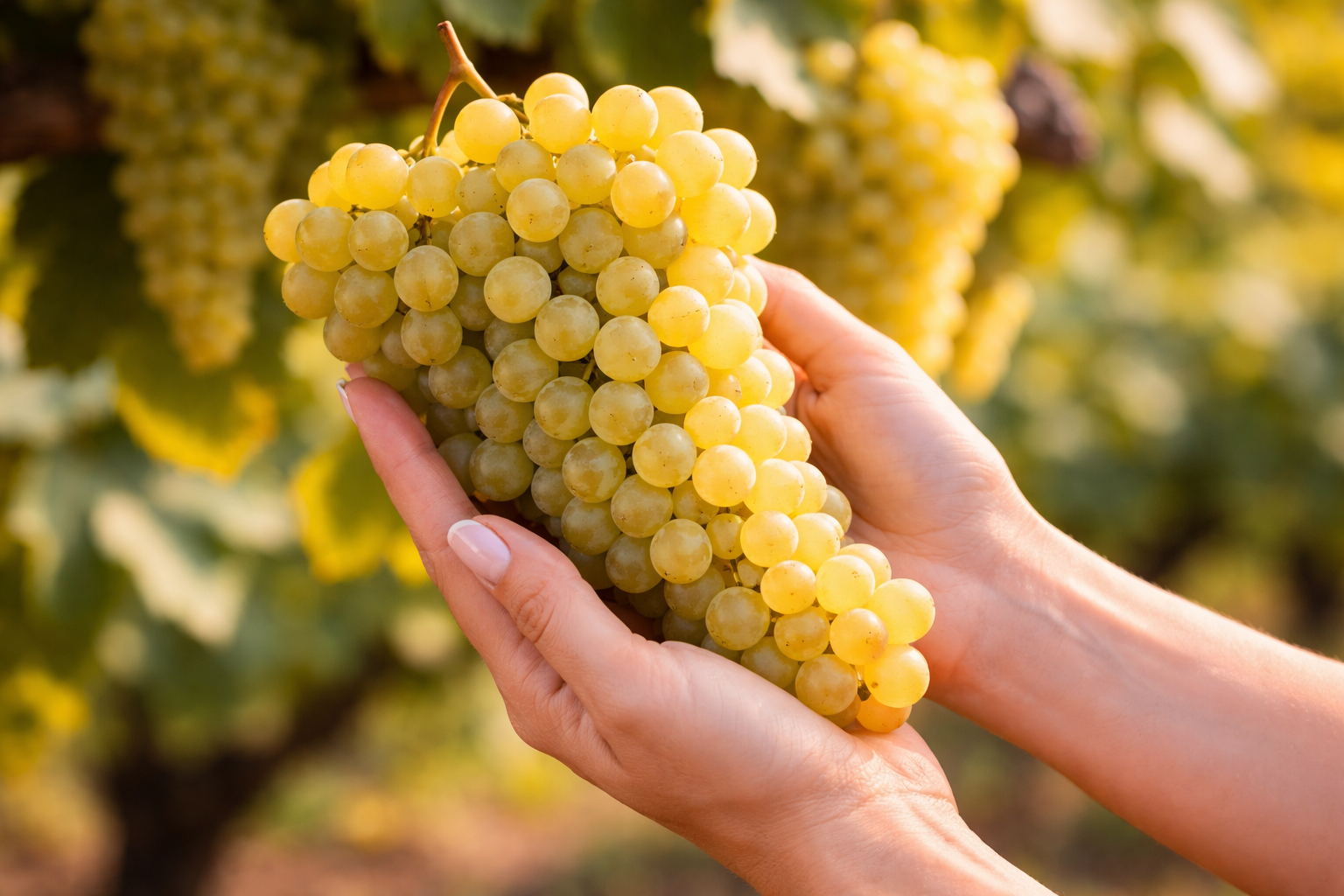
Mac Daddy "G" Field
Varietal: Vidal Blanc, Chardonnay, Pinot Blanc
A diverse block that contributes to several of our white wine styles.
What to look for: In Vidal you will find bright fruit, refreshing acidity, and layered flavors ranging from citrus to green apples. In Pinot Blanc look for soft stone fruit and melon. This field also hosts two Chardonnay clones.
Clone Info: Chardonnay #4 & #25
Clone #4 produces soft citrus and tropical flavors, that we use for our sparkiling wines. Clone #25 provides apples as wells as pear notes. We use this in our French oak Chardonnay.
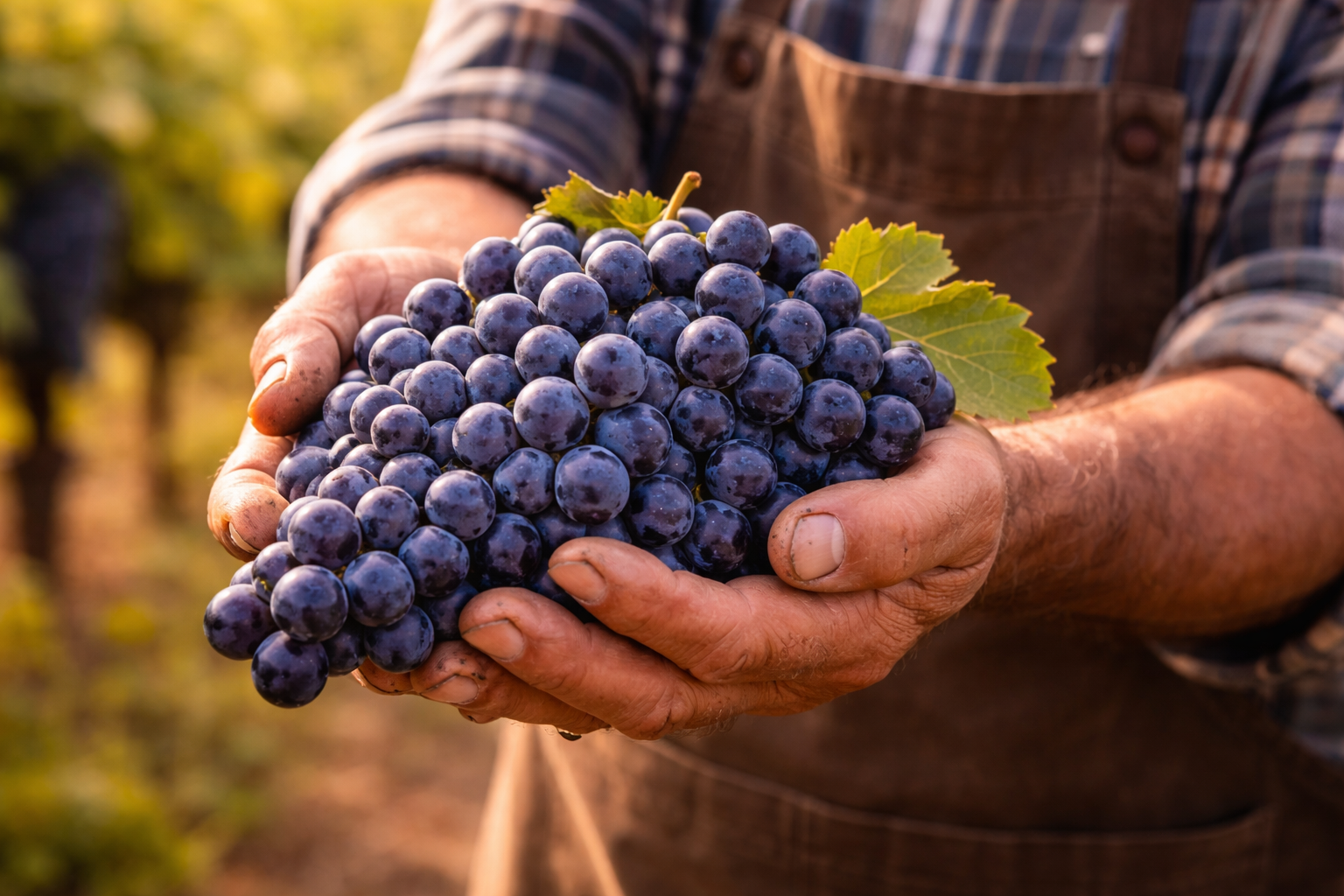
A Bit More Cab "H" Field
Varietal: Cabernet Franc
A slightly different expression of Cabernet Franc, influenced by this block’s unique conditions.
What to look for: Bright red fruit, subtle herbal notes, and a smooth, spicy finish.
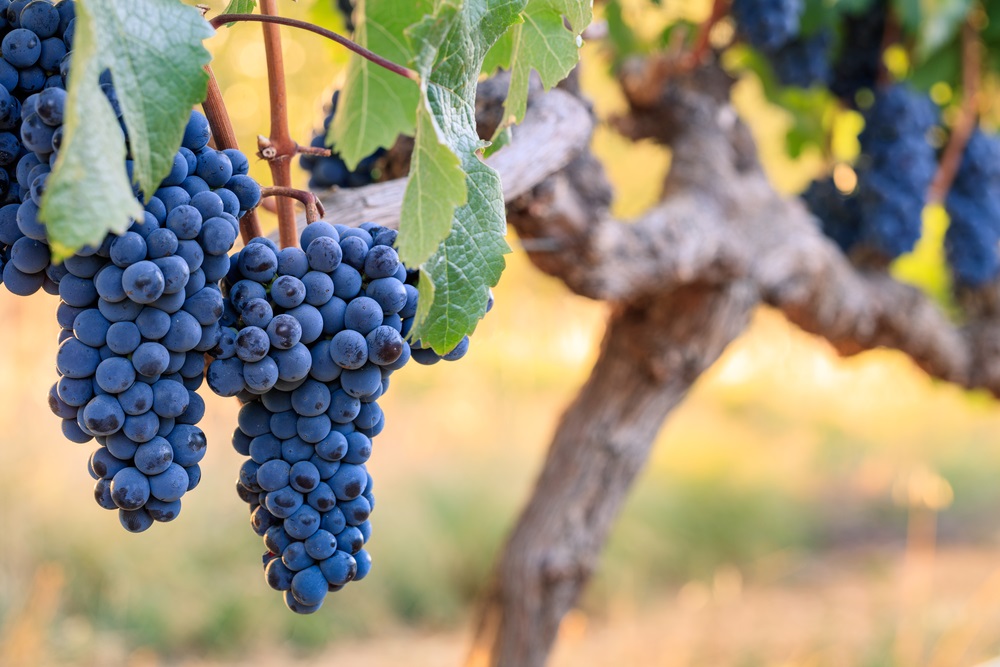
The Alba "I" Field
Varietal: Albariño
A coastal Spanish grape that performs beautifully in our vineyard.
What to look for: Zesty citrus, peach, and a clean, refreshing finish with lively acidity.
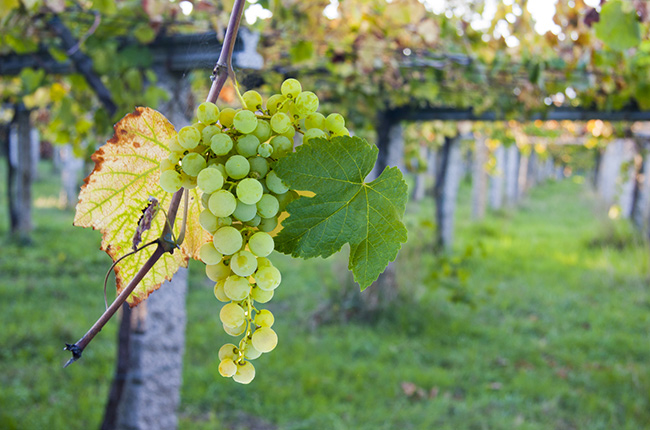
The Riño "J" Field
Varietal: Albariño
A coastal Spanish grape that performs beautifully in our vineyard.
What to look for: Zesty citrus, peach, and a clean, refreshing finish with lively acidity.
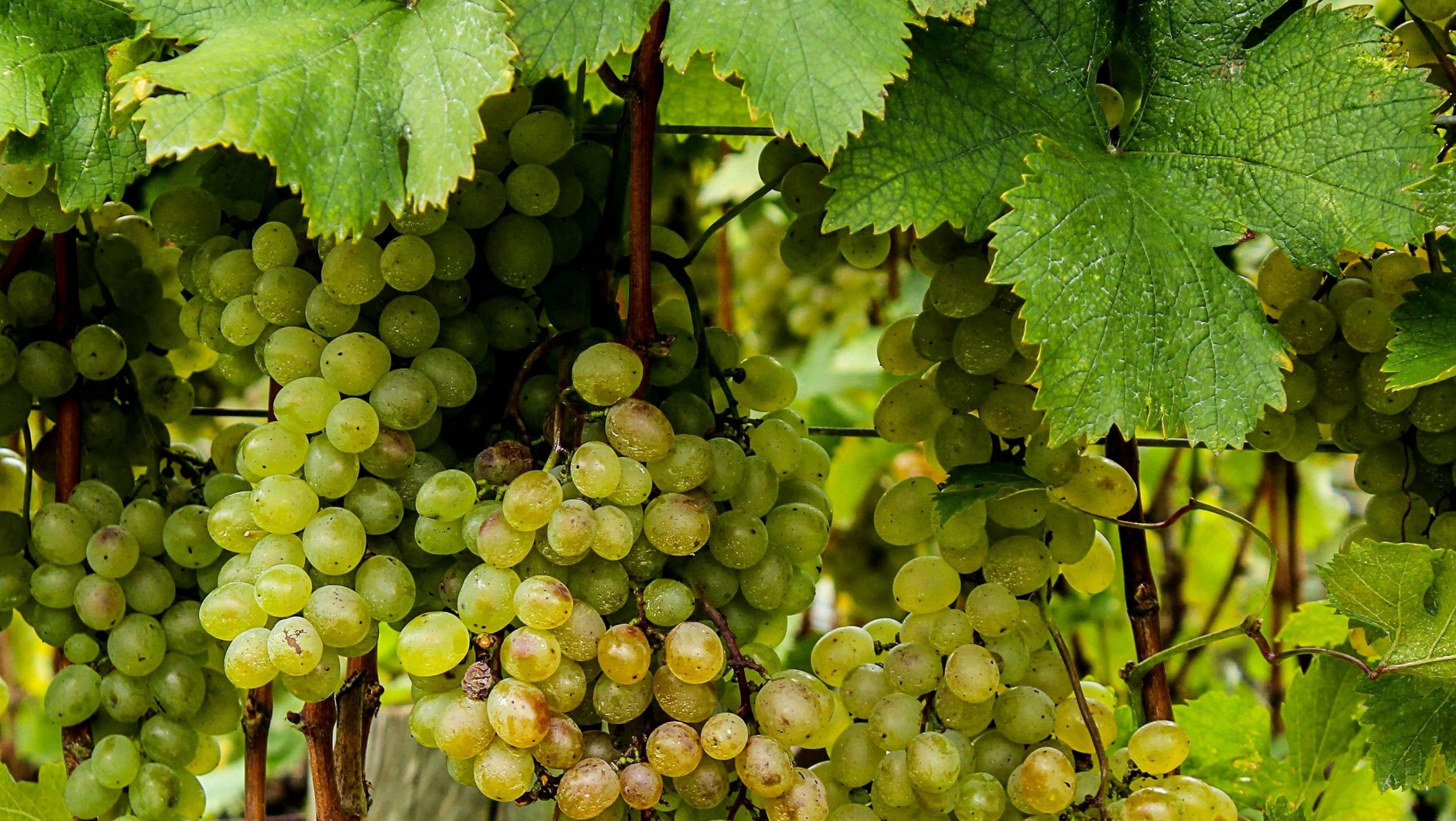
Little Sis "K" Field
Varietal: Cynthiana
These blocks produce bold, structured wines with strong aging potential. This was our second planting of Cynthiana, planted in 2007. It did so well, we did it twice!
What to look for: Deep color, rich dark fruit, and a long, slightly smoky finish.
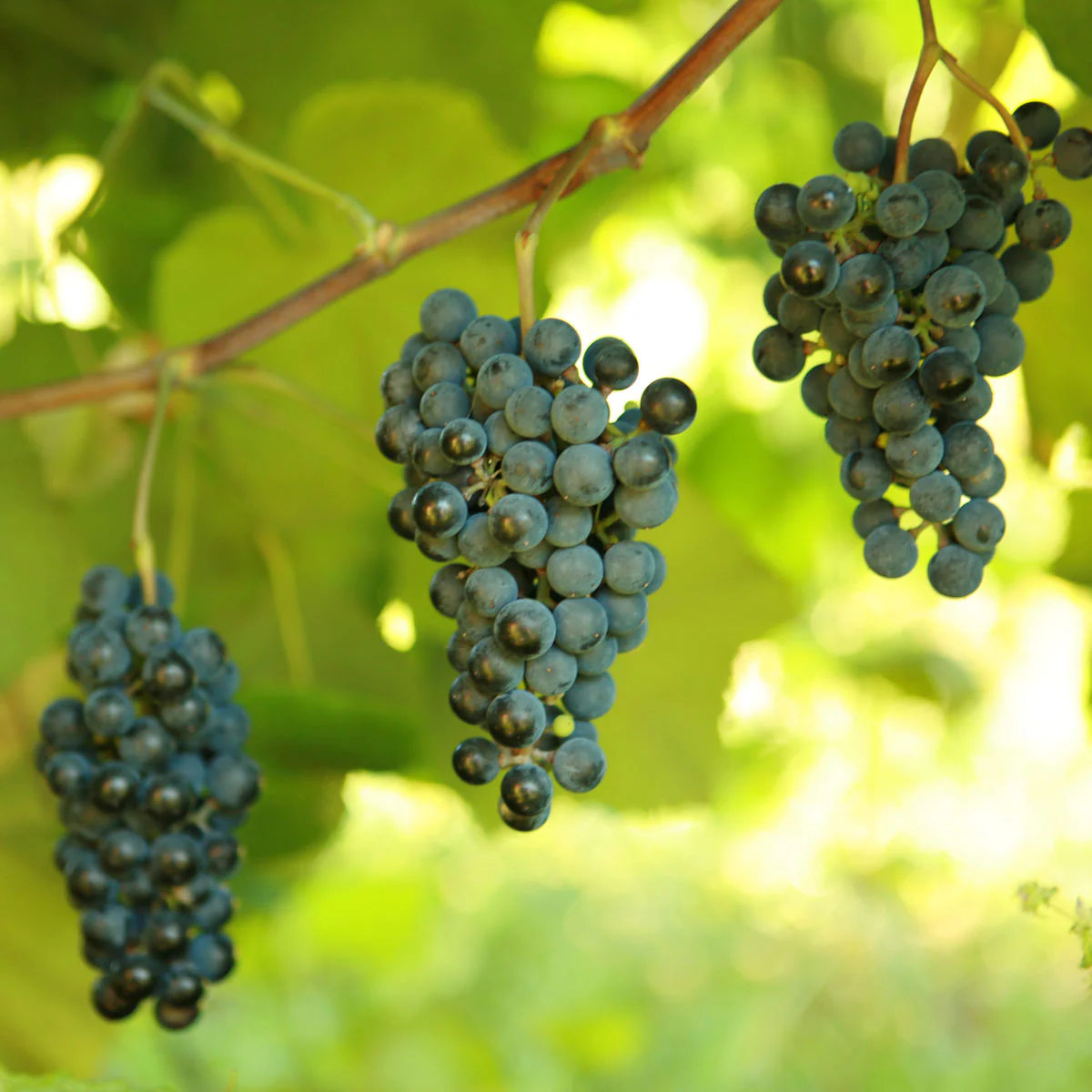
Big Sis "L" Field
Varietal: Cynthiana
This is our oldest block, planted in 1998. These grapes produce bold, structured wines with strong aging potential. This is where Fat Boy is born.
What to look for: Deep color, rich dark fruit, and a long, slightly smoky finish.
the Secrect Life of the Vine
Wine doesn’t start in the bottle, it starts in the vine and not all vines are the same.
Here at Three Sisters Vineyards, many of the grapes you’ll taste are the result of decades, sometimes centuries of careful cultivation, selection, and innovation.
These aren’t shortcuts. They’re the reason great wine exists in places like North Georgia.
What Are Hybrid Grapes?
Hybrid grapes are created by crossing different grape species to combine their best traits into a single vine.
That means you can take:
- the flavor complexity of traditional European grapes
- and combine it with the resilience of native American varieties
The result is a grape that thrives in environments where classic varieties struggle, without sacrificing character
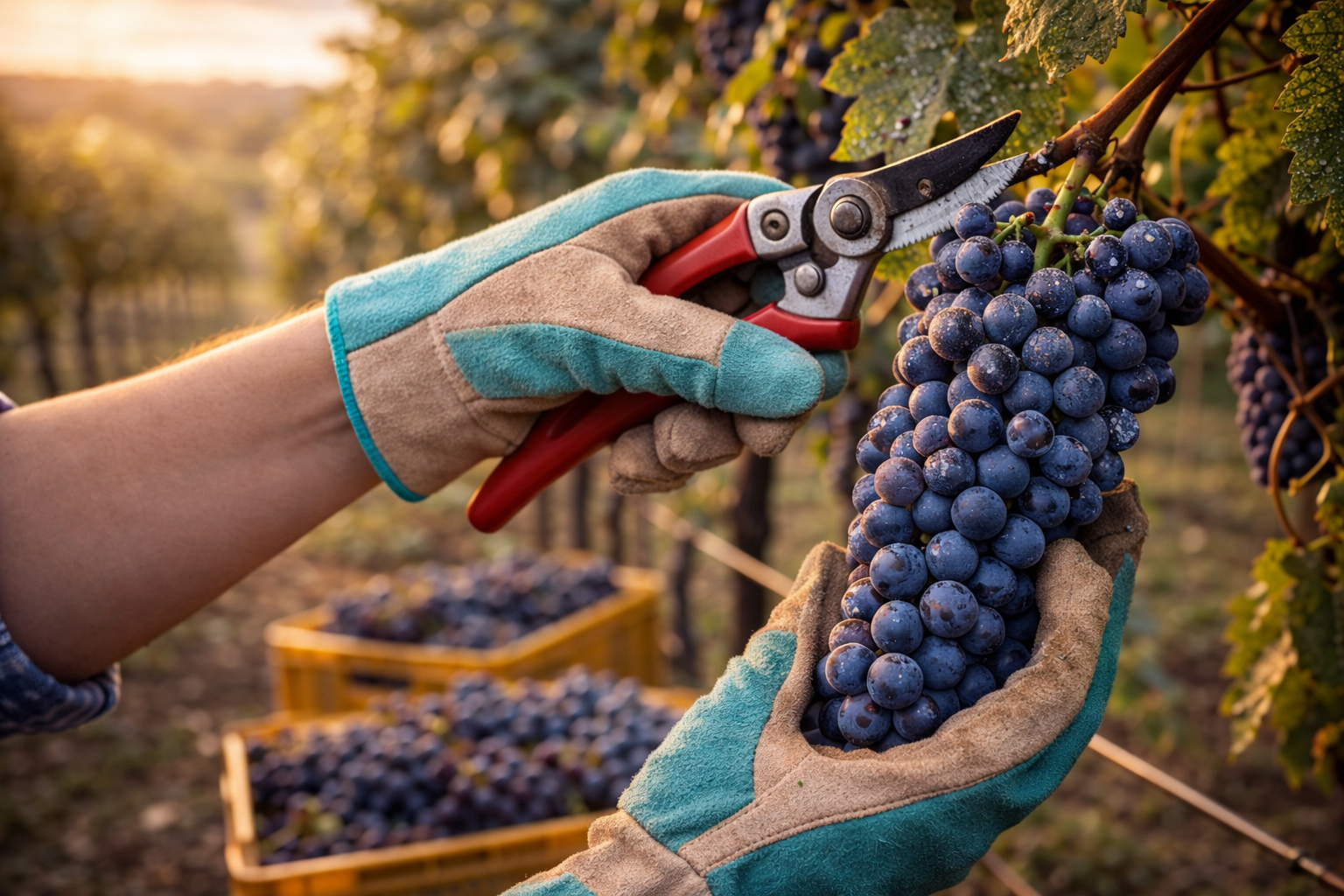
Georgia’s climate brings humidity, rain, and pressure from pests and disease. Hybrids allow vineyards like ours to not just survive those conditions but produce wines that are expressive, balanced, and uniquely regional.
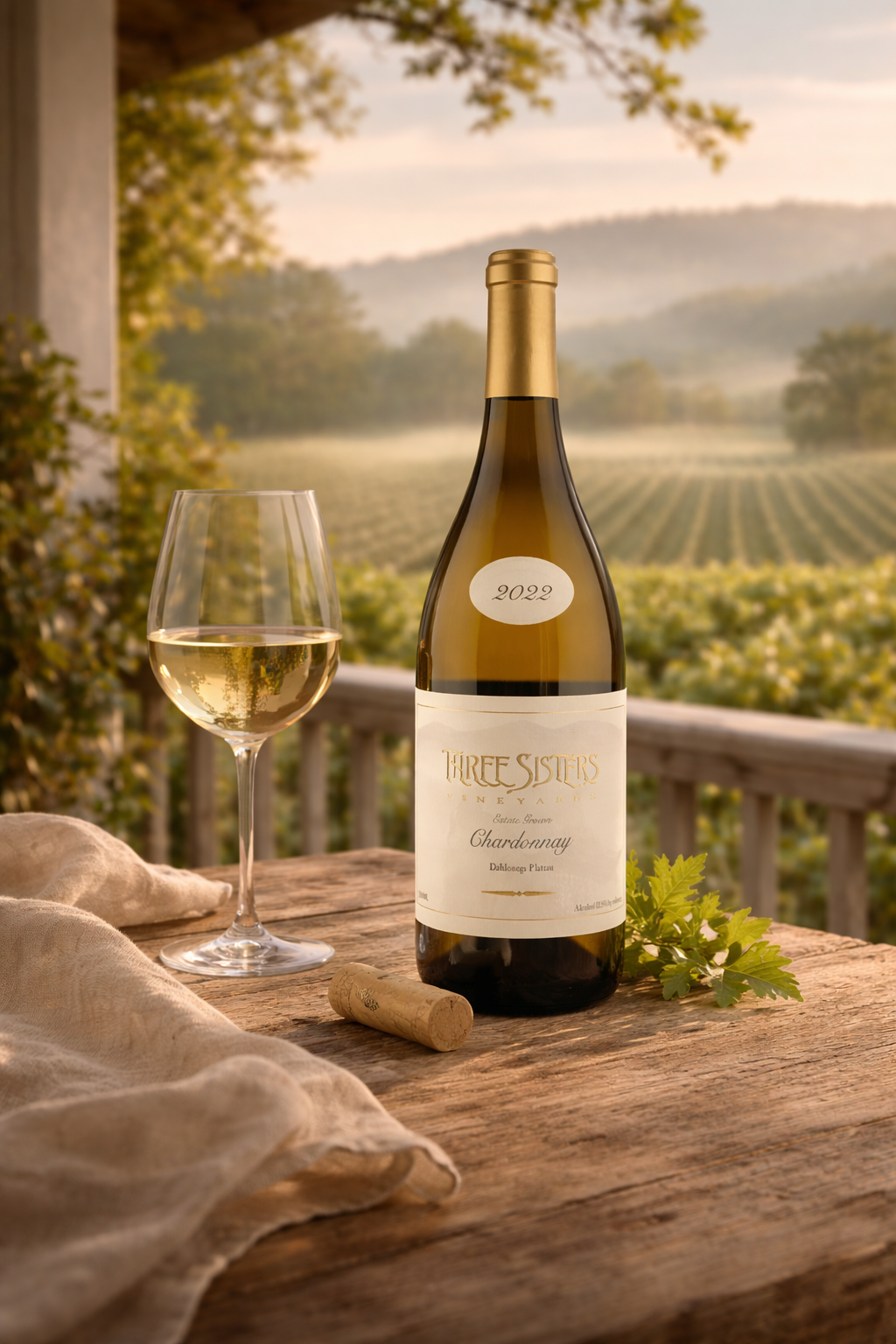
Built for the Vineyard, Not Just the Glass
Great wine requires healthy vines. That’s non-negotiable.
Hybrid grapes are often:
- more resistant to common diseases
- better adapted to local soil and weather
- less dependent on intensive chemical treatments
This isn’t just about efficiency, it’s about sustainability and consistency.
A stronger vine means:
- more reliable harvests
- better fruit quality year after year
- and ultimately, better wine in your glass
How Grapevines Are Actually Grown (The Part Most People Don’t Know)
Most grapevines you see aren’t grown from seeds.
They’re carefully propagated and often grafted. This is a process where the fruit-producing vine (called the scion) is joined to a separate root system (called the rootstock).
Why go through all that?
Because each part serves a purpose:
- the scion determines the grape and flavor profile
- the rootstock controls how the vine grows, resists pests, and adapts to soil
This technique allows vineyards to:
- fine-tune how vines perform in specific conditions
- protect against soil-borne threats
- and maintain consistency across entire blocks of vines
It’s precision agriculture that is applied to something that still feels completely natural.